


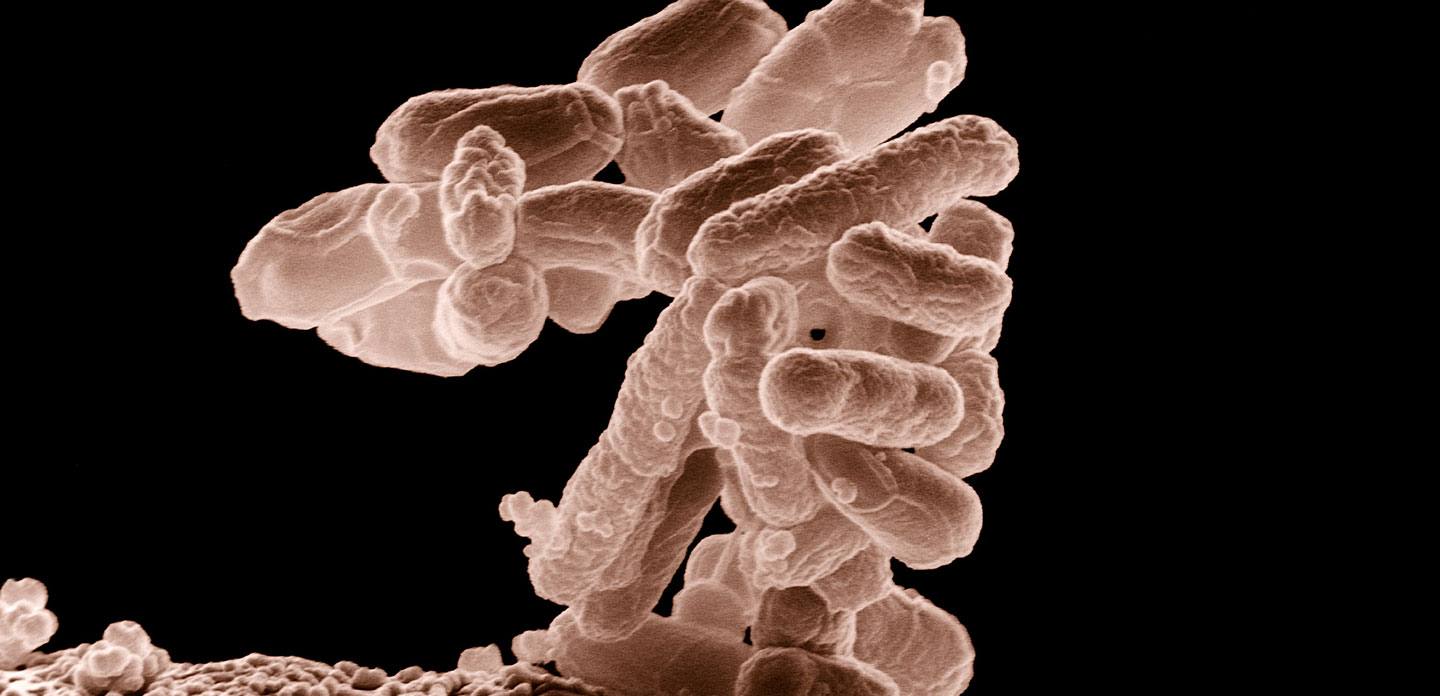
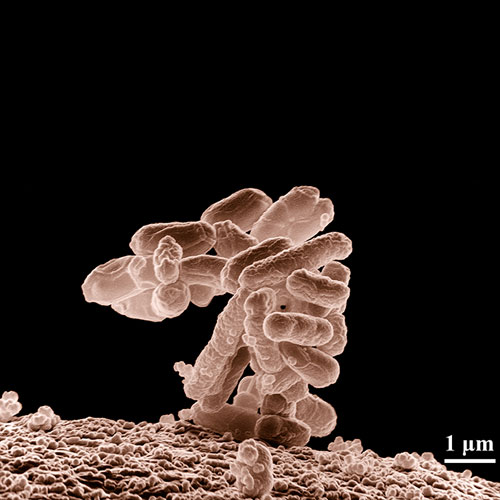
Escherichia coli (E. coli) is a bacterium that is once again attracting the attention of the public and medical community, both due to new global outbreaks of food contamination in late 2026 and the growing challenge of treating urinary tract infections caused by antibiotic resistance.
Although most strains of E. coli are harmless and naturally inhabit our intestines, where they aid digestion and vitamin K synthesis, their spread into the urinary tract or the ingestion of pathogenic strains through contaminated food can cause serious health problems.
1. Latest News: Food Contamination Outbreak (Autumn 2026)
According to official reports from health authorities, an investigation is currently underway into a multistate outbreak of dangerous strains of E. coli (alongside Salmonella). The infections have been directly linked to contaminated alfalfa sprouts and fresh vegetables, leading to large-scale recalls of these products and calls for heightened caution regarding food hygiene and the proper cooking of fresh produce.
2. The Most Common Problem: Urinary Tract Infections (UTIs)
E. coli remains responsible for over 80% of all urinary tract infections, according to data from healthcare platforms.
Why does it affect women? Due to their anatomical structure (a shorter urethra), approximately one in four women experiences this infection. It also tends to recur, sometimes several times a year.
Symptoms: Frequent and painful urination, a burning sensation, cloudy urine with an unpleasant odor, pressure in the lower abdomen, and, in more severe cases (kidney infection), fever.
3. New Approaches to Treatment: Antibiotic Susceptibility Testing and Natural Alternatives
Medical experts, in updated treatment protocols and guidelines from various healthcare institutions, emphasize that treatment should no longer be carried out empirically, without appropriate diagnostic testing. Due to E. coli’s ability to mutate rapidly and develop resistance to medications (multidrug-resistant strains), it is essential to perform a urine culture with antibiotic susceptibility testing before taking any antibiotics.
As a standard part of treatment and prevention, non-pharmacological approaches are now also recommended:
D-Mannose: A naturally occurring sugar that binds to bacteria and prevents them from adhering to the bladder walls, making it easier for them to be flushed out through urination.
Cranberry: Its active compounds have been shown to exhibit antimicrobial activity against E. coli.
Fluid Intake: A minimum of 2 liters of water per day to help flush bacteria out of the bladder through urination.